
Developed out of out 2025 Battlefield Internet Of Thinks Hackathon
Low cost
Short Brief
Counter-UAS Cut-Wire System: Technical White Paper Executive Summary This document describes a cost-effective, field-deployable counter-unmanned aerial system (C-UAS) designed to physically interdict small drones through kinetic cable interdiction. The system utilizes a rapidly spinning tensioned steel cable suspended between two poles to sever or damage drone propeller systems, rendering hostile UAVs inoperable. System Overview The…
Description
Counter-UAS Cut-Wire System: Technical White Paper
Executive Summary
This document describes a cost-effective, field-deployable counter-unmanned aerial system (C-UAS) designed to physically interdict small drones through kinetic cable interdiction. The system utilizes a rapidly spinning tensioned steel cable suspended between two poles to sever or damage drone propeller systems, rendering hostile UAVs inoperable.
System Overview
The Cut-Wire Counter-Drone System is a portable, rapidly deployable solution for securing critical infrastructure, events, and sensitive areas from unauthorized drone incursions. Unlike electronic countermeasures that can be defeated by autonomous or pre-programmed flight paths, this physical interdiction method provides reliable, technology-agnostic drone neutralization.

Core Components
1. Structural Framework
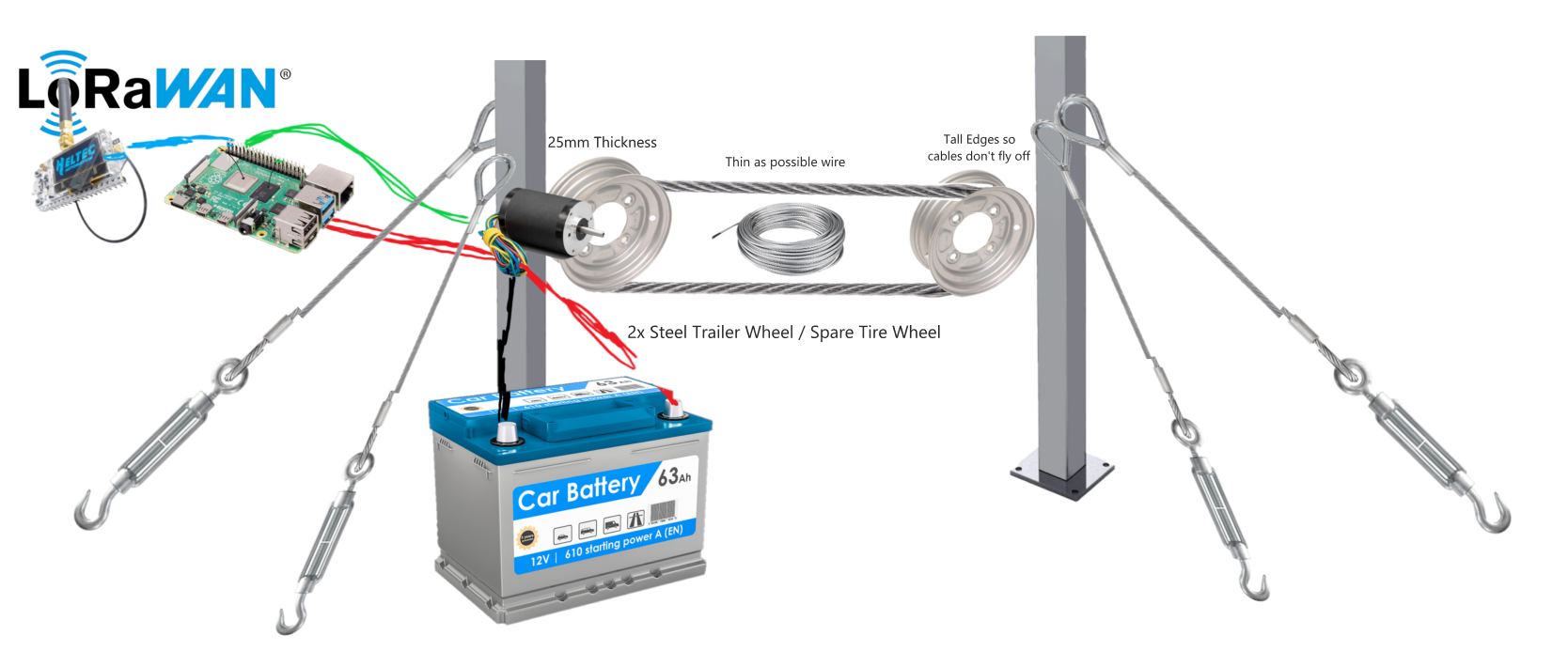
- Twin Pole System: Two vertical support poles (approximately 25mm thickness) positioned to create a denial zone
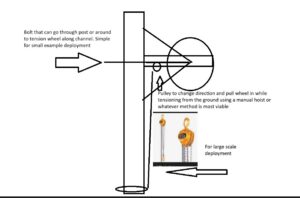
- Cable Tensioning: Manual hoist mechanism on each pole allows field adjustment of cable tension
- Tall Edge Design: Poles feature extended height to prevent cable fly-off during high-speed rotation
- Ground Anchoring: Four-point guy-wire stabilization system with turnbuckles and ground anchors
2. Cable Assembly
- Primary Cable: Thin-gauge steel wire (multiple specifications compatible)
- Wheel Mounting: Dual steel trailer/spare tire wheels serve as cable spools and rotational mass
- Cable Selection: System accepts various cable types:
- Standard aircraft cable (7×7 or 7×19 construction)
- Galvanized steel wire rope
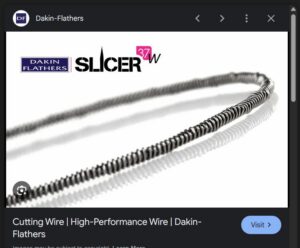
- Specialized abrasive-coated cables for enhanced cutting performance
3. Drive System
- Motor Unit: High-RPM electric motor mounted at base of powered pole
- Power Source: Standard 12V automotive battery (63Ah illustrated)
- Rotational Mechanism: Direct drive or belt-driven system to spin wheel assembly at high velocity
- Operational Speed: Variable RPM capability to optimize cutting effectiveness versus power consumption
4. Control & Communication System
- Controller: Raspberry Pi single-board computer
- Wireless Activation: LoRaWAN (Long Range Wide Area Network) radio trigger
- Remote activation capability
- Low power consumption
- Extended range (several kilometers line-of-sight)
- Encrypted command transmission
- Power Management: Integrated 12V power distribution from battery
- Status Monitoring: System health and operational status feedback
5. Tension Management
- Manual Hoist System: Crimping mechanism for cable tension adjustment
- Field Adjustability: Operators can increase or decrease tension based on:
- Environmental conditions (wind, temperature)
- Expected threat profile (drone size, speed)
- Deployment geometry
Operational Principle
Interdiction Mechanism
The system operates on a simple but effective principle:
- Cable Deployment: Steel cable is stretched between two poles and tensioned to create a taut barrier
- Motor Activation: Upon remote trigger via LoRaWAN, the motor rapidly spins one wheel
- Cable Rotation: The spinning wheel causes the entire cable span to rotate at high velocity
- Drone Contact: When a UAV intersects the cable:
- Propeller Strike: Rotating cable contacts carbon fiber or plastic propeller blades
- Scoring/Cutting: Cable’s abrasive surface and kinetic energy scores or severs propeller material
- Rotor Imbalance: Even minor propeller damage creates catastrophic rotor imbalance
- Loss of Control: Damaged propellers render the UAV unable to maintain controlled flight
- Neutralization: Drone descends in uncontrolled fashion within the secured perimeter
Physical Advantages
- Material Science: Carbon fiber and plastic composites used in drone propellers are significantly softer than steel cable
- Kinetic Energy: High rotational velocity multiplies cutting effectiveness
- Continuous Coverage: Spinning cable creates a sustained interdiction zone rather than point defense
- Multi-Target: Can engage multiple drones passing through the zone
System Specifications
Electrical Requirements
- Voltage: 12V DC nominal
- Current Draw: Variable based on motor load (typically 20-40A under load)
- Battery Life: 63Ah battery provides 1.5-3 hours continuous operation
- Recharge: Standard automotive battery charger compatible
Deployment Parameters
- Setup Time: Approximately 15-30 minutes with trained crew
- Footprint: Variable based on threat axis (typical 10-50m span)
- Height Coverage: Adjustable from ground level to pole height (typically 3-8m)
- Weather Operation: Functional in most conditions; wind affects cable stability
Communication Specifications
- Protocol: LoRaWAN
- Frequency: Regional dependent (typically 868MHz EU, 915MHz US)
- Range: Up to 5km line-of-sight
- Latency: <1 second activation time
- Security: AES-128 encryption standard
Advantages
Economic
- Low Cost: Components sourced from commercial automotive and hardware suppliers
- No Proprietary Parts: Standard wheels, cable, and battery technology
- Minimal Maintenance: Simple mechanical system with few failure points
- Scalability: Multiple units deployable for extended perimeter coverage
Operational
- Technology Agnostic: Effective against autonomous, GPS, or RF-controlled drones
- No Jamming Signature: Physical system produces no electronic countermeasure signature
- Visual Deterrent: Visible deployment discourages drone operators
- Instant Activation: Remote trigger enables rapid response to threats
- Reusable: System remains operational after successful interdiction
Tactical
- Portable: Components can be transported in standard vehicle
- Rapid Deployment: Quick setup in field conditions
- Flexible Geometry: Poles can be positioned to protect specific approach vectors
- Collateral Safety: Falling drones contained within secured area
Limitations and Considerations
Operational Constraints
- Fixed Position: Not suitable for mobile platform defense
- Line-of-Sight: Requires clear approach vector to target area
- Weather Dependent: High winds may affect cable stability
- Maintenance Required: Cable inspection for wear and damage necessary
Safety Considerations
- Exclusion Zone: Rotating cable presents hazard to personnel and wildlife
- Visible Marking: System should be clearly marked when operational
- Emergency Stop: Manual shutdown procedure required
- Cable Failure Mode: Broken cable presents projectile hazard
Legal and Regulatory
- Jurisdictional Approval: Kinetic C-UAS systems may require authorization
- Airspace Coordination: Operation must comply with local aviation regulations
- Liability: Clear rules of engagement and threat identification required
Use Cases
Critical Infrastructure Protection
- Power generation facilities
- Communication towers
- Water treatment plants
- Transportation hubs
Event Security
- Large public gatherings
- Political events
- Sporting venues
- Concerts and festivals
Military Applications
- Forward operating base perimeter defense
- Convoy security (static positions)
- Temporary installation protection
Private Sector
- Corporate campus security
- Data center protection
- Manufacturing facility defense
- Research installation security
Deployment Recommendations
Site Selection
- Identify likely drone approach vectors
- Position poles to create barrier across threat axis
- Ensure clear exclusion zone around operational equipment
- Verify adequate space for guy-wire anchoring
Operational Procedures
- Site survey and threat assessment
- Pole positioning and anchoring
- Cable installation and tensioning
- Motor and control system checkout
- LoRaWAN communication verification
- Establish exclusion zone and signage
- Operator briefing on activation procedures
Maintenance Schedule
- Pre-operation: Visual inspection of all components
- Daily: Cable condition check, battery voltage test
- Weekly: Motor bearing inspection, guy-wire tension check
- Monthly: Full system test with controlled activation
- Annually: Cable replacement, structural integrity assessment
Future Enhancements
Potential Upgrades
- Automated Targeting: Integration with radar or optical detection systems
- Variable Speed Control: Adaptive RPM based on real-time threat assessment
- Multiple Cable Arrays: Stacked horizontal cables for increased vertical coverage
- Solar Charging: Off-grid operation capability with photovoltaic panels
- Telemetry Package: Real-time system status reporting to central command
Advanced Configurations
- Active Reeling: Motorized tension adjustment during operation
- Deployable Poles: Telescoping masts for rapid height adjustment
- Network Operation: Multiple systems coordinated through mesh network
- Smart Activation: AI-enabled threat discrimination before engagement
Conclusion
The Cut-Wire Counter-UAS System represents a pragmatic, cost-effective approach to drone interdiction that leverages simple physics and readily available components. By combining mechanical simplicity with modern control systems, it provides reliable protection against small UAV threats without the complexity and cost of electronic warfare solutions.
The system’s greatest strengths lie in its accessibility and deployability. Organizations lacking the budget or expertise for sophisticated C-UAS platforms can implement this solution using commercial off-the-shelf parts and basic technical skills. Its technology-agnostic approach ensures effectiveness against current and future drone threats regardless of their navigation or control systems.
While not suitable for every application, the Cut-Wire System fills a critical gap in the C-UAS landscape, offering a deployable, affordable, and effective solution for fixed-site protection against small unmanned aerial threats.
Bill of Materials (Estimated)
- 2x Steel poles (25mm+, 3-8m length): $100-300
- 2x Steel wheels (trailer/spare tire): $40-80
- 1x Steel cable (50m, various gauges): $30-100
- 1x 12V car battery (63Ah): $80-150
- 1x High-RPM electric motor: $50-200
- 1x Raspberry Pi with LoRaWAN module: $60-100
- 8x Guy-wire anchors and cable: $100-200
- 2x Manual hoist/crimping assemblies: $60-120
- Miscellaneous (mounting hardware, wiring): $50-100
Total Estimated Cost: $570-1,450 USD
Actual costs vary by region, specifications, and quantity purchased
